The Complete Guide to Environmentally Friendly Interior Design
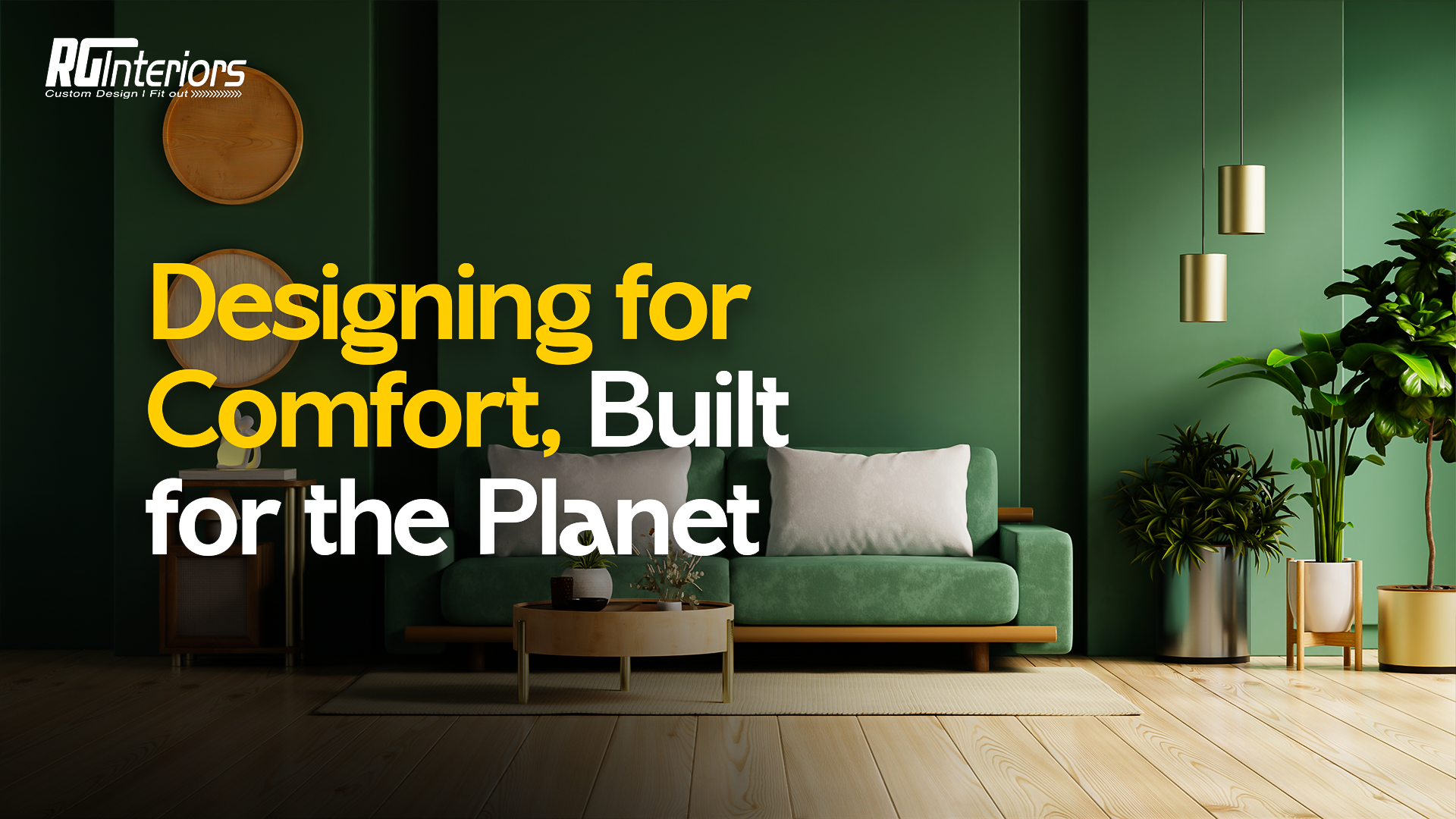
Sustainability is redefining the way interiors are designed across the world, and Dubai is no exception. Clients today expect more than attractive spaces. They want interiors that reduce environmental impact, improve efficiency, and support healthier living. Green interior design responds to this demand by combining smart planning with responsible material choices and modern technology.
Environmentally friendly interior design is not about following a trend. It is about creating spaces that perform better over time while reducing resource consumption. Whether it is a home, office, retail outlet, or hospitality project, sustainability can be integrated without compromising style or functionality.
Climate Responsive Design Approach
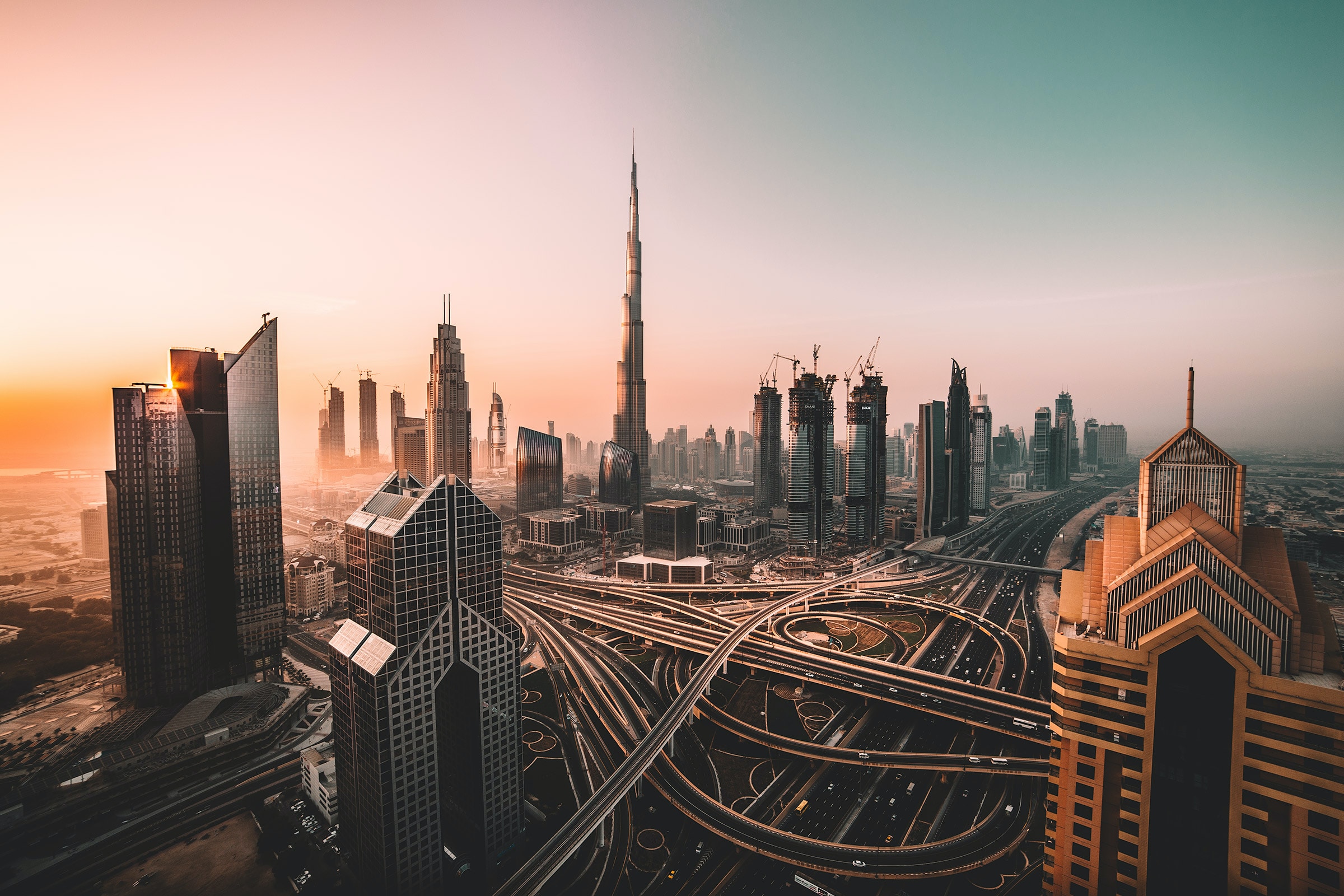
Dubai’s hot climate makes energy performance a top priority. A climate responsive approach focuses on reducing heat gain and maximizing comfort. Strategic placement of windows, shading systems, thermal insulation, and high performance glazing helps maintain indoor temperatures efficiently.
Thoughtful space planning also reduces the need for excessive cooling. By positioning workspaces and living areas to benefit from natural daylight, interiors become brighter and more energy efficient throughout the day.
Circular Design and Resource Efficiency
Modern green interior design embraces circular design principles. This means selecting materials and furniture that can be reused, recycled, or repurposed at the end of their lifecycle. Instead of a take make dispose approach, environmentally friendly interior design promotes long term material value.
Custom built furniture using certified wood, recycled steel frames, and sustainable fabrics contributes to responsible consumption. Designers are also specifying modular systems that allow easy replacement of components rather than discarding entire units.
Smart Technology Integration
Technology plays a significant role in eco-friendly interior design Dubai projects. Smart lighting systems automatically adjust brightness based on occupancy and daylight levels. Intelligent climate control systems optimize cooling according to room usage patterns.
Energy monitoring systems allow property owners to track consumption in real time. This data driven approach helps reduce waste and encourages more sustainable habits. Automation enhances convenience while lowering operational costs.
Sustainable Surface and Finish Innovations
Interior finishes have evolved significantly in recent years. Today’s environmentally friendly interior design solutions include low emission paints, water based adhesives, and responsibly manufactured laminates. Sustainable tiles and engineered surfaces are designed to minimize environmental impact during production.
In addition, natural finishes such as clay plasters and lime based coatings are gaining popularity for their breathability and aesthetic appeal. These materials contribute to better indoor air quality while offering a refined look.
Ethical Sourcing and Local Collaboration
Green interior design also considers where and how materials are sourced. Working with local manufacturers reduces transportation emissions and supports regional industries. Ethical sourcing ensures materials are produced under responsible environmental and labor standards.
In Dubai, partnering with suppliers who follow sustainable practices strengthens the overall impact of a project. Responsible procurement is a key element in building environmentally conscious interiors.
Enhancing Indoor Wellbeing
Sustainability and wellbeing are closely connected. Environmentally friendly interior design prioritizes natural light, acoustic comfort, and ergonomic layouts. Good lighting reduces eye strain, while sound absorbing materials improve focus and comfort in offices.
Indoor greenery is another powerful element. Living walls, planters, and landscaped internal courtyards enhance visual appeal while contributing to air purification. These features create calming spaces that support productivity and relaxation.
Waste Reduction During Fit Out
Construction and fit out phases can generate significant waste. Eco-friendly interior design Dubai projects focus on careful material estimation, responsible disposal, and recycling practices. Prefabricated elements and precise planning reduce on site waste and improve efficiency.
Contractors and designers who follow sustainable installation practices help keep the project aligned with its environmental goals throughout.
Conclusion
Ethical sourcing and environmentally responsible interior design help create spaces that are efficient, durable, and ready for the future. By choosing sustainable materials and smart design solutions, businesses can reduce environmental impact while improving long term value. If you are planning to build or upgrade your space responsibly, partnering with experts in sustainable innovation makes all the difference. RG Interiors delivers bespoke eco-friendly interior design Dubai solutions that blend sustainability, innovation, and lasting value for modern spaces.


Related Posts
Timeless Meets Modern: The Future of Villa Interior Design in Dubai
Why Businesses Rely on Expert Interior Fit Out Companies in Dubai for Modern Workspaces
Why Green Interior Design Is the Future of Modern Living
How Sustainable Interior Design in Dubai Helps Create Cost Efficient and Healthier Spaces

Modern Vs Traditional School Interiors: What Works Best in Dubai?

Transforming Dubai Hotels: Sustainable Interior Renovation for the Modern Era

The Future of Mansion Interiors in Dubai: Where Luxury Meets Sustainability
Interior Fit-Out Success in Dubai: The Role of a Trusted Fit-Out Contractor and Civil Contractor
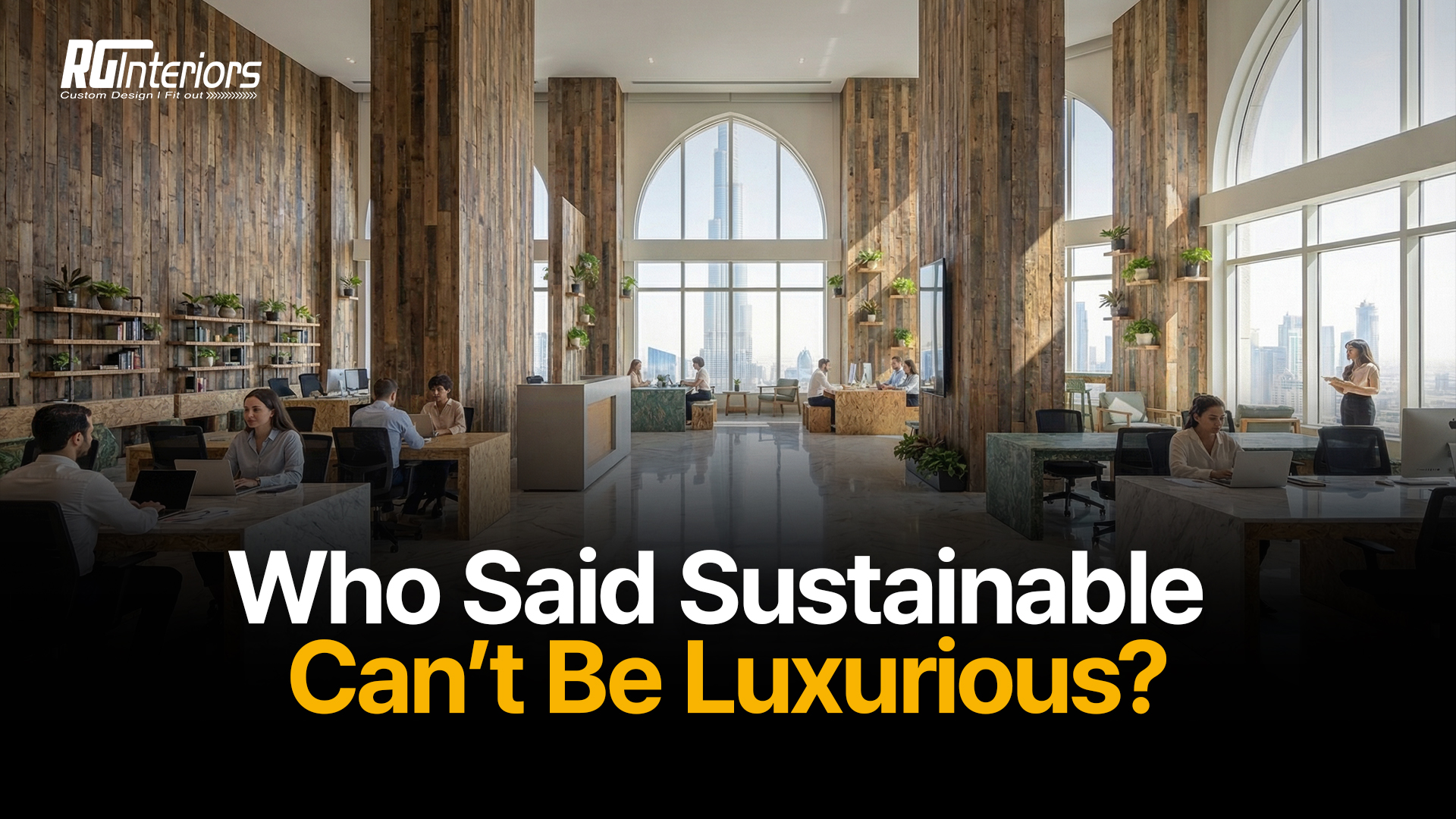
How Sustainable Interior Design Blends Luxury with Eco-Conscious Living
Building Luxury from the Inside Out: Luxury Mansion Materials for 2026
The Art of Living: Bespoke Interiors Crafted for Dubai’s Elite
Why Dubai is the Global Capital of Cutting-Edge Interior Design
Building Smarter Cities: The Role of HVAC in Dubai’s Urban Growth
From Design to Delivery: What to Expect from a Commercial Fit-Out Company in Dubai
Blueprints of Excellence: Inside the World of Leading Civil Contractors in Dubai

Corporate Brilliance: Office Interior Designs That Define Success in Dubai

Dubai Fit Out Solutions: Innovation with Cultural Elegance

Civil Contractors in Dubai: Where Engineering Excellence Meets Architectural Wonder
Luxury, Efficiency, and Design: Inside Dubai’s Leading Fit Out Projects

Turnkey Fit-Out Solutions for Ultra-Large Villa Floor Plans in Dubai

Why Villa Fit-Out Project Fails and How to Avoid Costly Mistakes

Contemporary vs. Classic Luxe Interiors: The Fit-Out Styles Trending in Dubai Villas

Smart AC Maintenance Hacks for Dubai’s Modern Homes

How Fit Out Companies in Dubai Create Spaces That Inspire Success
The Future of Workspace Design: Why Interior Fit Out Companies in Dubai Lead the Way

Energy-Efficient Cooling: Tips to Lower Your DEWA Bill in Dubai

Sustainable Luxury: Eco-Friendly Fit-Outs Taking Over Dubai’s Skyline

The Future of Cooling: Why Dubai Businesses Rely on Advanced HVAC Solutions